RFK Jr. Faces Senate Scrutiny Over Vaccine Policies
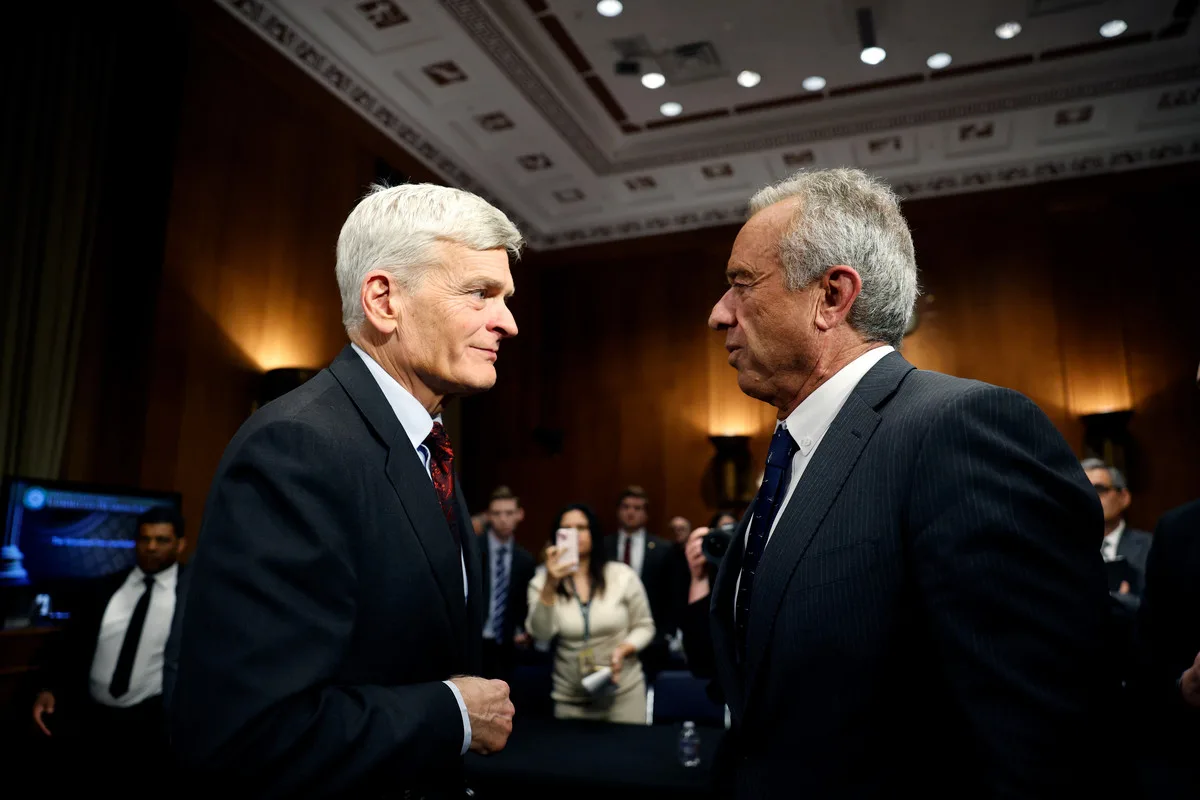
Robert F. Kennedy Jr., the U.S. Secretary of Health and Human Services, is preparing to face intense scrutiny in a Senate hearing scheduled for later this week. The hearing will center on Kennedy’s controversial stance on vaccines and his policies, particularly regarding vaccine safety, mandates, and public health. The hearing has gained widespread attention following the recent dismissal of CDC Director Susan Monarez, a move that many health experts and lawmakers believe could have significant implications for the nation’s approach to vaccine safety.
Kennedy, a well-known advocate for vaccine safety, has long raised concerns about the potential risks of vaccines, particularly regarding childhood immunizations. Over the years, his views have sparked significant controversy, as many public health officials argue that his position undermines confidence in life-saving vaccines. Kennedy’s critics argue that his statements, which often promote skepticism about vaccine safety, contribute to the rise of vaccine hesitancy and pose a threat to public health efforts aimed at controlling preventable diseases such as measles, polio, and COVID-19.
In recent months, Kennedy’s influence over U.S. health policy has become more pronounced, especially after President Biden appointed him to the position of Secretary of Health and Human Services. This move has alarmed many public health experts, who fear that Kennedy’s controversial views could lead to a rollback of critical vaccine requirements and weaken efforts to combat vaccine-preventable diseases.
The Senate hearing is expected to delve into Kennedy’s policies and his rationale for questioning the safety and efficacy of vaccines. Kennedy has defended his position by arguing that there should be greater transparency and research into the long-term effects of vaccines. However, health experts, including the CDC, maintain that vaccines are essential for maintaining public health and preventing outbreaks of dangerous diseases.
The outcome of this hearing could have a significant impact on U.S. health policy in the coming years. If Kennedy’s stance gains further traction, it could lead to changes in vaccine regulations and potentially undermine the country’s efforts to combat diseases through vaccination programs. On the other hand, if the Senate committee rejects his views, it could send a strong message about the importance of maintaining science-based public health practices.
The debate surrounding vaccine safety and mandates is one of the most contentious issues in U.S. healthcare today. As the hearing draws closer, many are closely watching to see how the Senate responds to Kennedy’s controversial views and what implications it will have for the future of vaccine policy in the United States.