
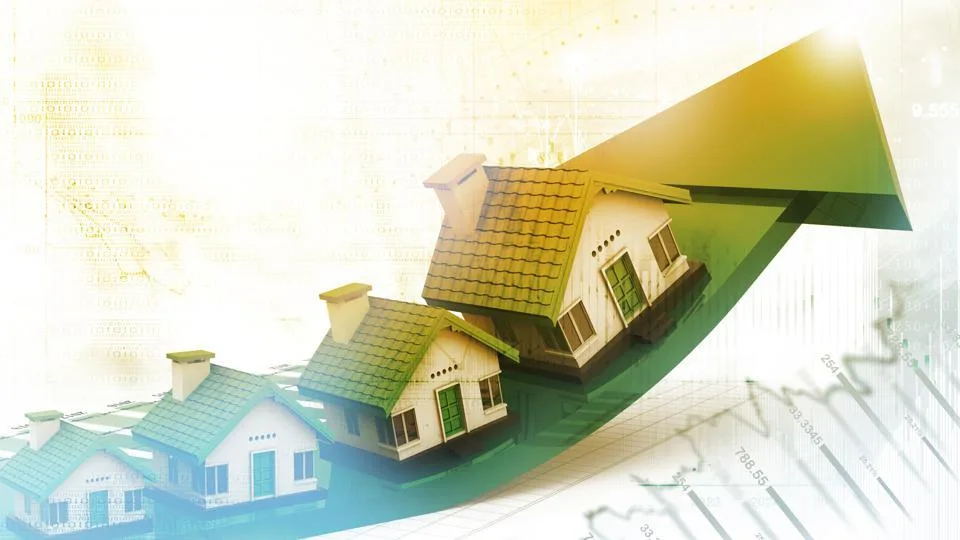
U.S. Faces Housing Crisis: Prices Soar Amid Low Inventory and Rising Demand
The U.S. housing market is currently in the midst of a severe crisis, with home prices skyrocketing to record highs. The surge in prices is being driven by a combination of low inventory, rising demand, and higher mortgage rates. As a result, many potential homebuyers—especially first-time buyers—are finding it increasingly difficult to enter the market, and renters are facing higher costs as well.
Home prices across the country have surged by more than 20% over the past year, with some regions seeing even steeper increases. Cities like Austin, Dallas, and Phoenix have witnessed some of the highest price hikes, fueled by an influx of out-of-state buyers and a lack of new construction. Meanwhile, inventory levels remain at historically low levels, exacerbating the supply-demand imbalance.
The shortage of homes available for sale is largely due to several factors. Many homeowners are hesitant to sell their properties, particularly as mortgage rates remain high. With fewer homes hitting the market, competition among buyers has intensified, driving up prices even further. Additionally, builders are facing delays and supply chain issues, which have slowed the construction of new homes, particularly in the affordable housing sector.
First-time homebuyers are feeling the brunt of the crisis, with many unable to afford the skyrocketing prices in their local markets. In some areas, the typical home price is now well above $500,000, making it difficult for many buyers—particularly those without large down payments or significant savings—to compete. As a result, many young adults are being forced to delay their plans to buy a home, and some are opting to rent instead.
However, rising rent prices are not offering much relief. As more people are priced out of the housing market, demand for rental properties has surged, pushing rents to record highs in many cities. The national median rent for a one-bedroom apartment is now over $1,500 per month, with some metropolitan areas seeing rents climb even higher. This makes it increasingly difficult for renters to find affordable housing, especially in high-demand urban areas.
The housing crisis is also impacting the broader U.S. economy, as many industries—such as construction, home improvement, and real estate—are struggling to meet demand. The rising cost of housing is also affecting consumer spending, as people are devoting a larger portion of their income to housing costs, leaving less money for other goods and services.
Experts warn that the housing market will continue to face challenges for the foreseeable future. With mortgage rates remaining high and inventory levels staying low, it’s unlikely that prices will fall anytime soon. While some regions may experience slight price corrections, the overall trend seems to point toward continued price increases.
For first-time homebuyers and renters, the outlook is grim, with many struggling to navigate an increasingly expensive housing market. Policymakers and local governments are being urged to implement solutions that could help ease the crisis, such as expanding affordable housing programs, incentivizing new construction, and providing down payment assistance to those struggling to enter the market.
The housing crisis is one of the most pressing issues in the U.S. economy today, and it remains to be seen whether government intervention will be enough to address the growing affordability gap. Until then, potential buyers and renters are left navigating a challenging market with few options and even fewer affordable choices.


